Are you sometimes too lazy or in a rush to choose a meal for dinner? Or you want to listen to some music but you can’t find your phone? Well, Amazon Alexa can help you with these everyday activities and tasks.
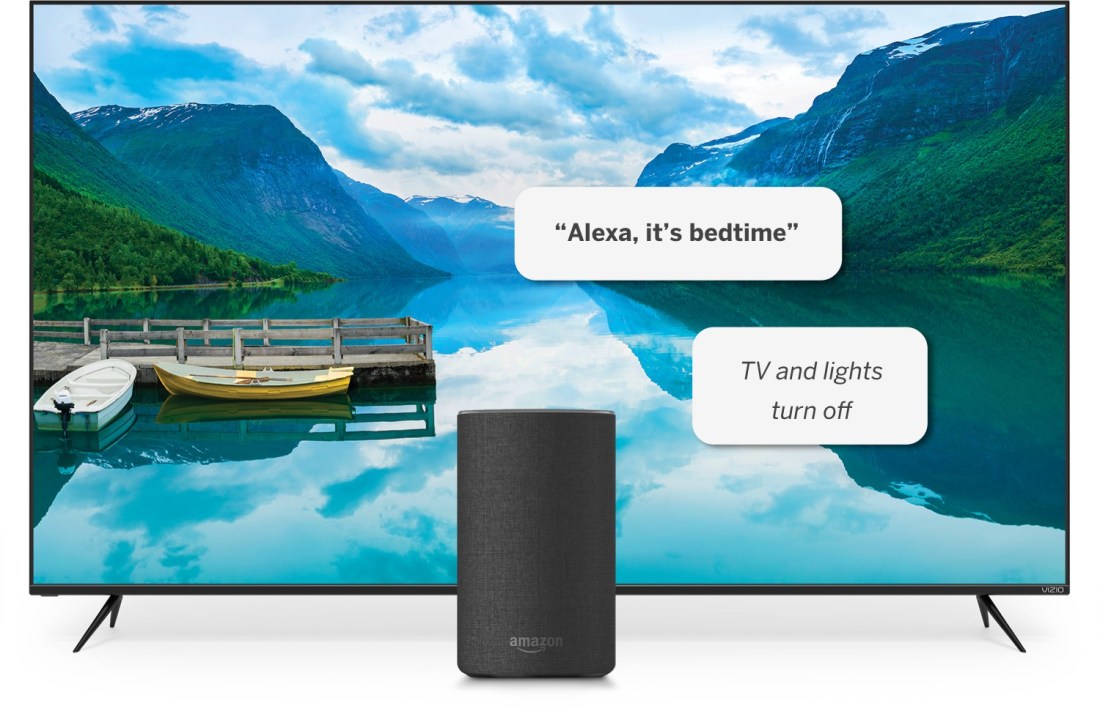
Amazon Alexia is an ‘internet of things’ (IoT) and a virtual assistant developed by Amazon. It has voice interaction and the ability to playback music, make to do lists, set alarms, stream podcasts, play audiobooks, order a meal, provide weather, traffic and news updates. Alexa can also control other smart devices using a home automation system.
Some Benefits of Alexa
- Voice Shopping – Alexa can help you shop by assisting you to choose the right item for you based your previous orders and offer you a particular brand based on what you’ve purchased previously or suggest an item. Alexa can also cancel orders.
- Playback Music – Alexa can stream music for you based on your personal taste, the occasion or mood. In addition, Alexa can play a song even if you forgot the artist or title. Just say:”Alexa, play the song that goes ‘his palms are sweaty, knees weak, arms are heavy’, and it will find Eminem Lose Yourself for you.
- Watch TV shows and Movies – Alexa can help you find your favourite tv shows and movies based on your favourites and your history. Alexa can also search for tv shows and movies based on a particular actor or director.
- Order a meal – Alexa can order you take-out food from participating restaurants or recommend some options. Alexa in conjunction with Smart Lock can allow Amazon couriers to unlock customer’s front doors and deliver packages inside (Amazon Alexa).
Some Negative Aspects of Alexa
- Faulty Voice Assistant – Unlike Amazon Echo, Alexa does not have an always-on microphone that is supposed to record when you want to listen. Instead, as soon as you say ‘wake’ Alexa will start recording, this can be frustrating when Alexa confuses the persons voice with a random noise or Alexa will record audio when the user did not want Alexa to listen.
- Privacy Concerns – “Security researchers managed to turn an Echo into a spy device by creating a malicious Alexa Skill that could record unsuspecting users and send the transcription of their conversations to an attacker” (Amazon Alexa)
- Hacking – Alexa can be susceptible to someone hacking into your smart device and using its camera and microphone.
So, do you believe products such as Amazon Alexa from the ‘IoT’ will benefit us?
According to a study undertaken by the Pew Research Center, “the growth of the Internet of Things and embedded and wearable devices – will have widespread connectivity and will influence nearly everything, nearly everyone, nearly everywhere” (The Internet of Things Will Thrive by 2025, Pew Research Center).
As a result a number of themes emerged :
1. (+) The Internet of Things and wearable computing will progress significantly between now and 2025.
2. (-) The realities of this data-drenched world raise substantial concerns about privacy and people’s abilities to control their own lives.
3. (+) Information interfaces will advance – especially voice and touch commands.
4. (-) There will be complicated, unintended consequences: ‘We will live in a world where many things won’t work and nobody will know how to fix them.’
5. (-) The unconnected and those who just don’t want to be connected may be disenfranchised.
6. (+) Individuals’ and organizations’ responses to the Internet of Things will recast the relationships people have with each other and with groups of all kinds. The internet welcomes everyone and everything (literally).
(The Internet of Things Will Thrive by 2025, Pew Research Center)
Therefore, my question for all of you is, do any of you use Alexa or know of anybody who does? If so, what was there experience like? And do you think embedded and wearable devices are changing the way society operates?















 Digital Growth Unleashed 3.0